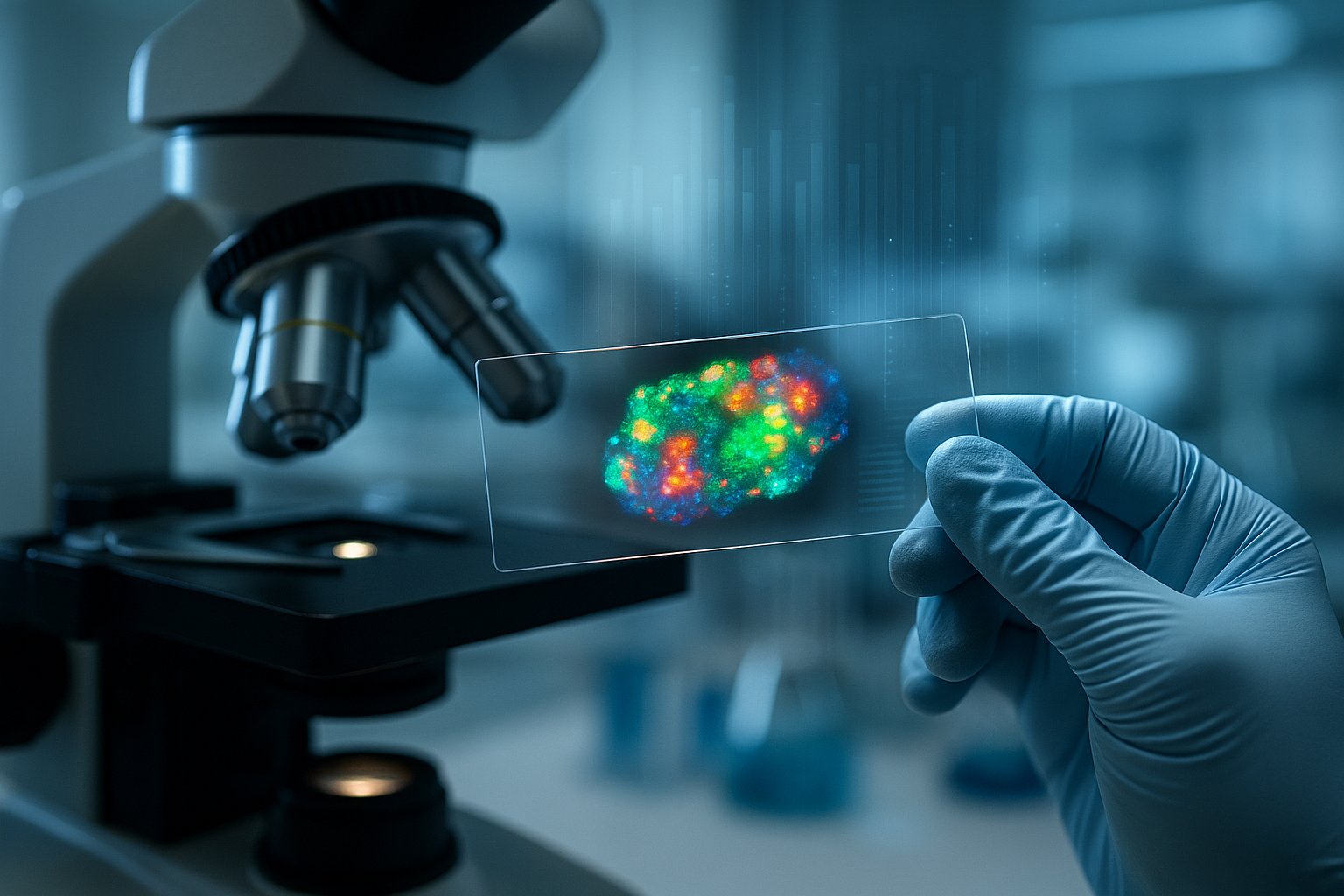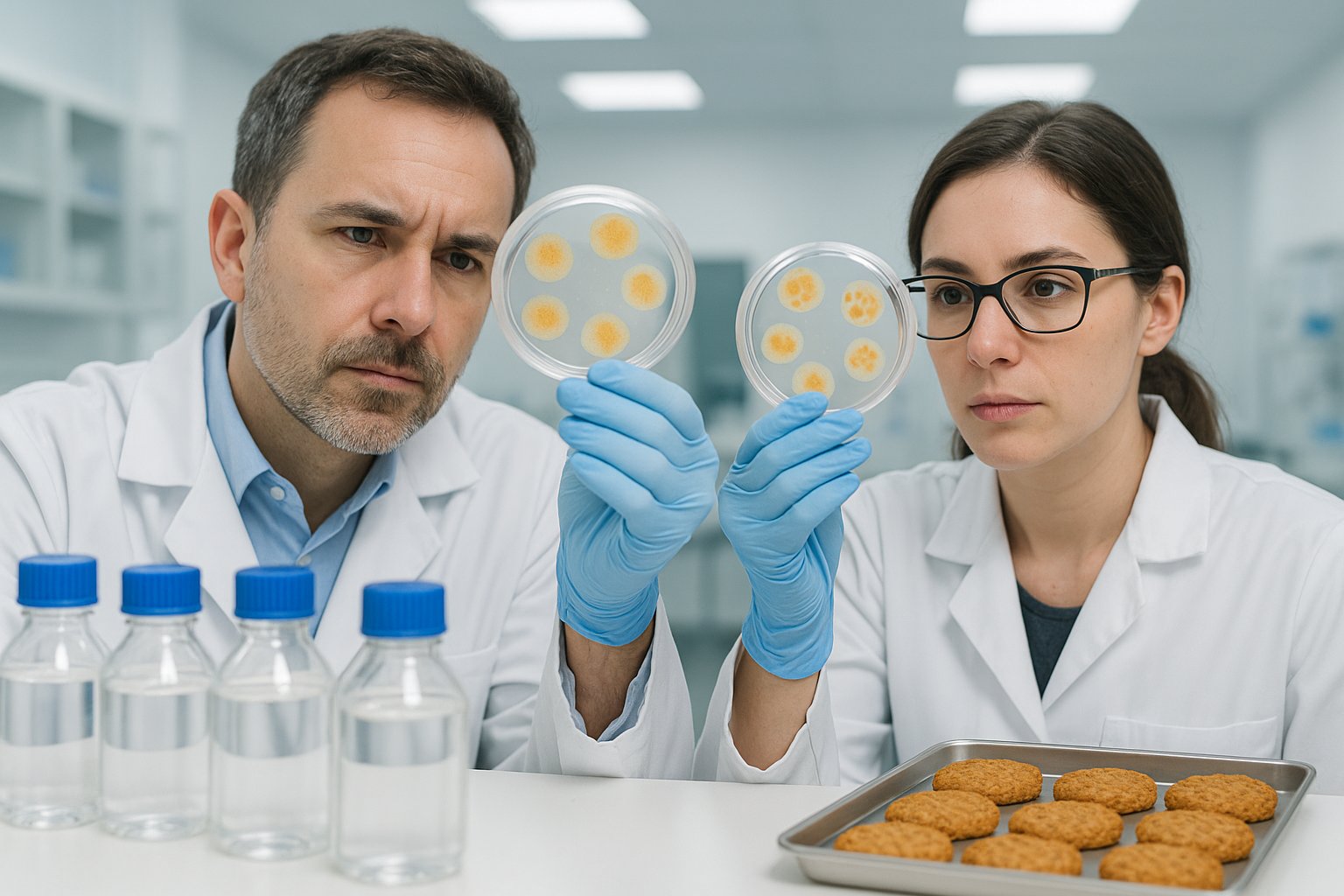
Engineered yeasts turning plastic into protein might sound like the plot of a sci-fi movie, but it’s this week’s headline-making reality in biotechnology. In a recent study, researchers have programmed special yeasts to transform PET plastic and agricultural waste into edible, protein-rich cookies—a delicious plot twist for both sustainability and food science. (source)
But how does this breakthrough work, and what does it mean for students, early-career researchers, and anyone interested in tackling the world’s mounting waste and hunger problems? Grab your lab goggles (or just your curiosity)—let’s break it down, and see how you can dive into this cutting-edge field with a little help from Seamless.
Engineered Yeasts: The Tiny Chefs of Sustainable Protein
Yeasts have long been the workhorses of science—brewing beer, rising bread, and now, tackling our plastic problem. In the new study, scientists genetically engineered yeast strains so they could digest PET plastic, the stuff in soda bottles, and break down crop waste into basic building blocks. The yeast then uses these carbon sources to build proteins, which can be harvested and turned into food ingredients—like protein powder for cookies. Yes, cookies. (Don’t worry, the final product is purified and safe to eat—no microplastics in your chocolate chip!)
This breakthrough not only offers a creative way to address the global plastic crisis, but also provides an alternative, sustainable protein source. Imagine a world where waste from yesterday’s water bottle becomes tomorrow’s snack—biotech magic!
Why Should STEM Students Care?
If you’re a high school or university student with a passion for biology, chemistry, environmental science, or engineering, this is a prime example of how interdisciplinary STEM research can solve real-world problems. Let’s face it: food security, waste management, and sustainable agriculture are hot topics—and future career gold mines.
Here’s why this matters for you:
- Biotech is a rapidly growing industry needing creative problem-solvers
- Plastic pollution and food insecurity are global challenges needing urgent solutions
- There’s a surge in research grants and STEM scholarships for sustainability and food innovation
- Skills in synthetic biology, fermentation, and environmental engineering are highly marketable
How to Dive Into Plastic-to-Protein Research (Without Getting Your Hands Sticky)
Curious about the science behind these edible innovations? You don’t need your own genetics lab to get started. Instead, you can explore the field, map out your research interests, and discover funding using free AI-powered tools:
1. Map the Research Landscape
Use the Seamless Literature Review tool to generate a custom literature review on topics like “engineered yeasts for plastic recycling” or “microbial protein from waste.” You’ll get key findings, recent studies, and even suggestions for research gaps—perfect for planning a thesis, class project, or competition entry.
2. Find Scholarships and Research Funding
Want to work on protein alternatives, bioplastic degradation, or sustainable food? Check out Seamless’s Scholarship Search and Research Grants tools. Match instantly with STEM scholarships and grant opportunities worldwide—no more doomscrolling through ancient university websites.
3. Turn Your Project Into a Podcast (Or Video!)
Science communication is half the battle. Seamless can help you turn your research or literature review into a narrated podcast with the AI Podcast Generator, or even create a video podcast with AI lip-sync. Share your findings, explain complex topics, or launch your own foodtech podcast—no pro studio needed.
What’s Next for Plastic-Eating Yeast—and for You?
This engineered yeast success is just the beginning. Expect to see accelerated research into microbial recycling, circular food systems, and synthetic biology. Some projects will focus on improving protein yields; others will test safety, scale-up, or flavor profiles (raise your hand if you want to taste-test chocolate chip cookies from recycled plastic!).
For STEM students and early-career researchers, there’s never been a better time to get involved:
- Explore literature, spot open questions, and brainstorm project ideas with Seamless
- Apply for scholarships or seed funding to support your research
- Communicate your work with podcasts and videos
- Build skills that biotech, food, and sustainability employers crave
Ready to Join the Biotech Revolution?
The next big idea in sustainable food or waste management could come from you. Whether you’re prepping for a science fair, applying to university, or launching your first research project, Seamless gives you the tools to discover, fund, and share your work at every stage. Start by matching with scholarships or generating a literature review on plastic-to-protein research today!
Curious about the science behind this breakthrough? Read the full story on engineered yeasts and protein-rich cookies on Phys.org.