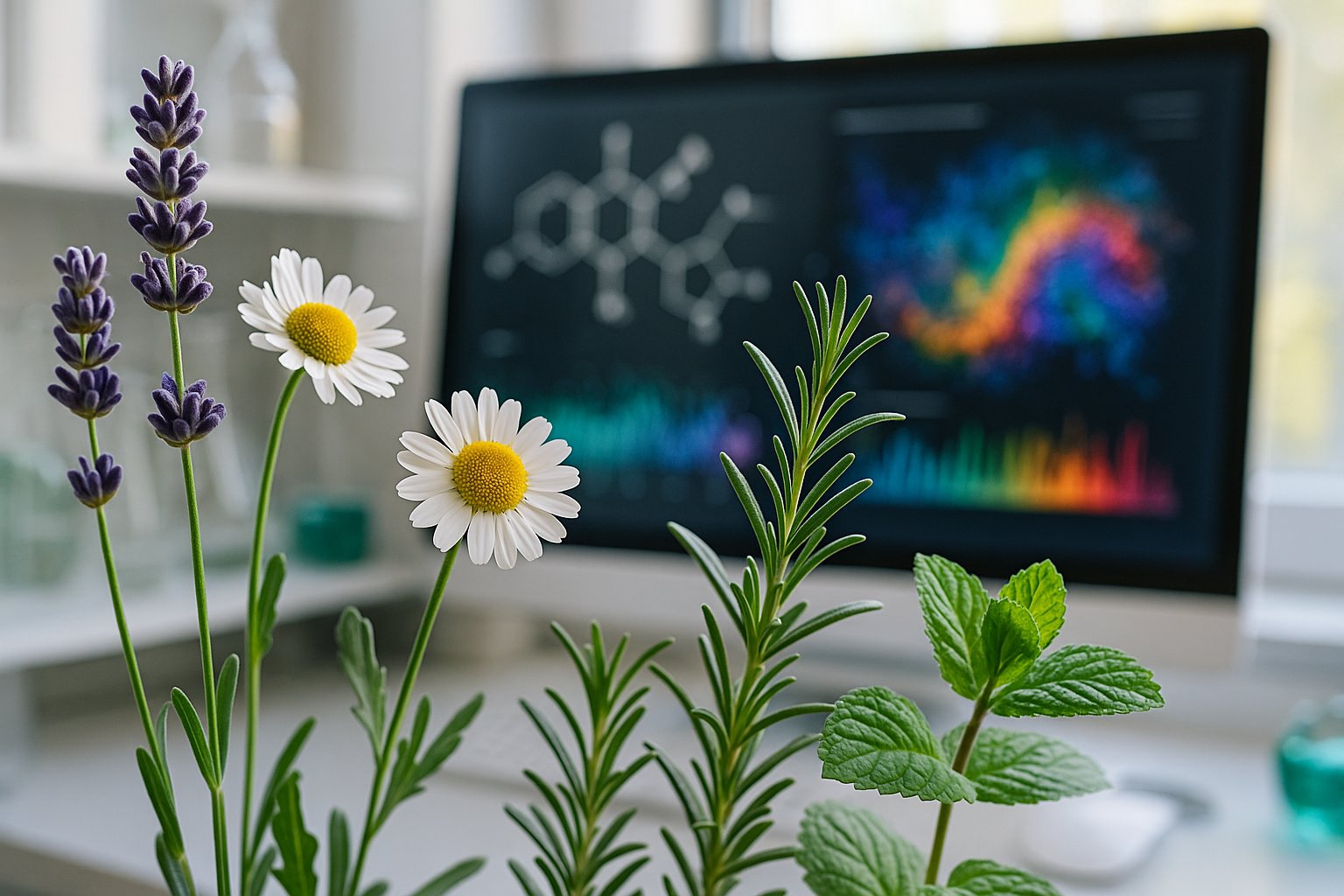
AI Uncovers 991 Aromatic Plants: How Machine Learning Is Revolutionizing Sleep Science
Did you ever wish your research could make the world a little dreamier—literally? This week’s science news is bursting with the sweet scent of discovery: Food scientists at the National University of Singapore have used machine learning to map aromatic plants and identify scent molecules that may improve sleep. Yes, you read that right: AI is now the world’s most sophisticated nose, and it just sniffed out hundreds of compounds that could help us all sleep better. If you’re a STEM student or early-career researcher with your mind on molecules or dreams of curing insomnia, read on for the juicy details—and actionable ways to get involved in this fast-blossoming field.
AI and Aromatic Plants: The Science Behind the Scents
Let’s break down what just happened. Scientists used machine learning to analyze over 2,300 scent compounds from 991 aromatic plants. Their digital truffle-hog (okay, a neural network) sifted through this data mountain to pinpoint molecules that have potential sleep-enhancing effects. This approach is light-years faster than the traditional “sniff-and-see” approach and opens up fragrant avenues for pharmacology, nutrition, and even consumer tech.
The research highlights how AI is turbocharging the discovery of bioactive natural products. Instead of years of tedious lab work, algorithms can now predict which plant compounds might modulate neurotransmitters or hormones linked to sleep. It’s the kind of computational leap that turns a field trip to the herb garden into a leap for human well-being.
Why Aromatic Plants Matter for STEM Students and Researchers
Herbs and spices aren’t just for spicing up your ramen. Aromatic plants have provided humanity with medicines, teas, perfumes, and even inspiration for synthetic drugs. Now, with insomnia and sleep deficits impacting everything from memory to metabolism, there’s a global push to find safer, plant-derived sleep aids. (Melatonin gummies, you have company!)
For STEM students, here’s why this is big news:
- It’s a hot interdisciplinary field—combining AI, chemistry, botany, pharmacology, and neuroscience.
- Grant funding and scholarships are actively seeking projects that bridge AI and health sciences.
- The literature is evolving rapidly, so meta-analyses and reviews are in demand (hello, publishable opportunities!).
- Storytelling and science communication—think podcasts or explainer videos—are needed to translate this complex topic to the public.
How to Jump Into AI-Driven Plant Research (and Actually Get Funded)
Let’s say you’re eager to grow your own research roots in this fertile ground. Here’s your three-step game plan:
1. Find the Right Scholarship or Research Grant
Tons of STEM scholarships and research grants are available for topics at the AI-health interface. Whether you’re studying computational biology, plant sciences, or neuroscience, Seamless can match you with opportunities tailored to your project idea. (Pro tip: include keywords like “machine learning,” “phytochemistry,” or “sleep science” in your search.)
2. Get Up to Speed on the Latest Literature—Fast
There’s a ton of buzz in the literature about bioactive plant compounds, but who has time to read 300+ papers? Try the AI-powered literature review tool from Seamless to generate summaries with a gap analysis. Identify what’s been done (and what hasn’t), so your project stands out. You can even focus your review on AI applications in phytochemistry or sleep research—a winning combo for both grant panels and publication editors.
3. Share Your Findings—Make Your Science Heard (and Watched)
Want to turn your research on sleep-inducing scents into something your friends and family actually understand? Seamless lets you turn your literature review into a narrated podcast—in several languages, no less. Or, go visual and create a video podcast with lip-synced narration to make your ideas bloom on YouTube or TikTok. Science should be shared, not shelved!
Open Questions: Where Could You Take This Research?
The Singapore team’s work is only the beginning. If you’re hunting for a research angle, consider these:
- Which specific plant compounds have the strongest evidence for sleep modulation in humans?
- Can you design a small-scale experiment on the sleep or stress effects of a newly predicted scent compound?
- How might AI models be improved to better predict human responses to plant-derived molecules?
- What ethical or safety questions should be considered as AI speeds up natural product discovery?
With the right question (and funding!), you could be the next headline. Seamless is here to help you find the scholarships, grants, and literature reviews that will seed your dream project.
Ready to Grow the Next Big Idea? 🌱
AI is transforming aromatic plant research, but it needs curious minds to ask the next big questions. Whether you’re searching for scholarships, scouting funding, or crafting a killer literature review, Seamless gives you the right tools and support. Why not turn your passion for plants, AI, or sleep science into a funded project—or a story that inspires others?
Start your journey with Seamless, and let your research (and the world) rest a little easier.