Original source: technode.com — Ant Group leads $100 million round in humanoid startup Simplexity Robotics
Simplexity Robotics, a Chinese robotics startup, has raised $100 million in a pre-Series A funding round led by Ant Group, according to technode.com. The investment values the company at $1.6 billion, as confirmed by chairman and co-founder Wang Kai to Bloomberg. This funding round also included existing investors such as Tencent, HSG, and Lanchi Ventures.
What happened
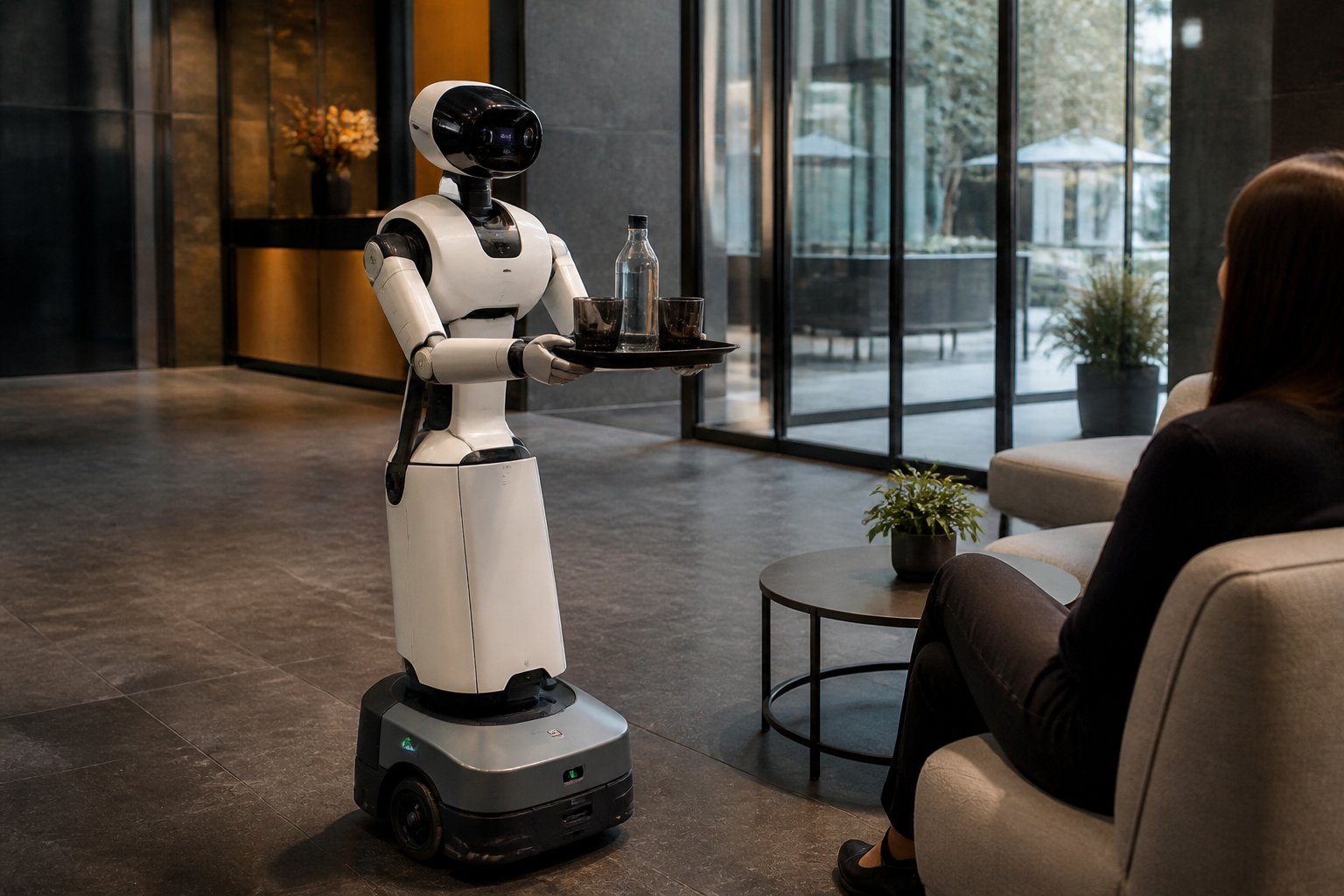
Founded by former Li Auto executives, Simplexity Robotics is focused on developing embodied AI and robots capable of performing tasks in real-world physical environments. On Monday, the company unveiled its latest product: a wheeled humanoid robot called iX. Demonstrations of iX included preparing and delivering drinks, fetching objects, and guiding visitors.
This latest financing brings Ant Group into Simplexity’s investor base, joining other major Chinese technology groups. The company’s approach draws on its founders’ automotive engineering experience, positioning it in competition with established developers of humanoid robots. Simplexity is targeting service tasks that require a combination of perception, navigation, and manipulation.
Why it matters for researchers
The $100 million investment in Simplexity Robotics highlights strong industry demand for embodied AI and service robotics. The company’s focus on robots that can operate in dynamic physical environments reflects a growing trend in robotics research: integrating perception, navigation, and manipulation to achieve autonomy in complex tasks. For researchers, this signals increased opportunities at the intersection of AI, control systems, and robotics hardware, especially as large technology groups like Ant Group and Tencent expand their involvement in the field.
The involvement of former automotive executives suggests cross-disciplinary innovation is valued, and that skills from adjacent industries such as automotive engineering are increasingly relevant. The funding also indicates that startups working on practical, embodied AI applications may find strong support from both established investors and new entrants in the technology sector.
Where to dig deeper
- Read the original coverage at technode.com.
- Track new papers on robotics with Seamless.
- Follow developments in service robotics and embodied AI by monitoring industry news from major Chinese technology groups.
This article summarises public reporting. Facts as reported by technode.com; read the original for full details.