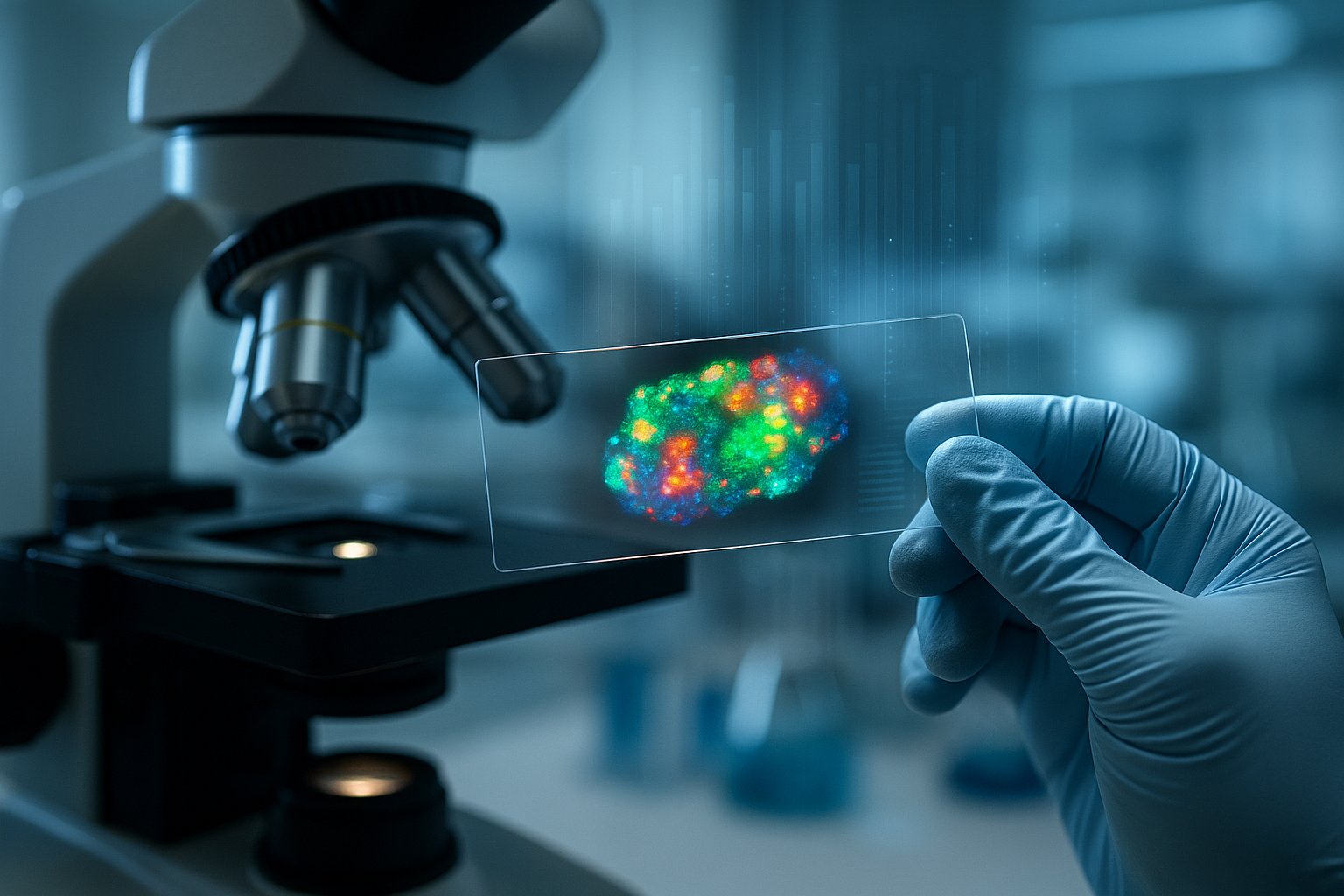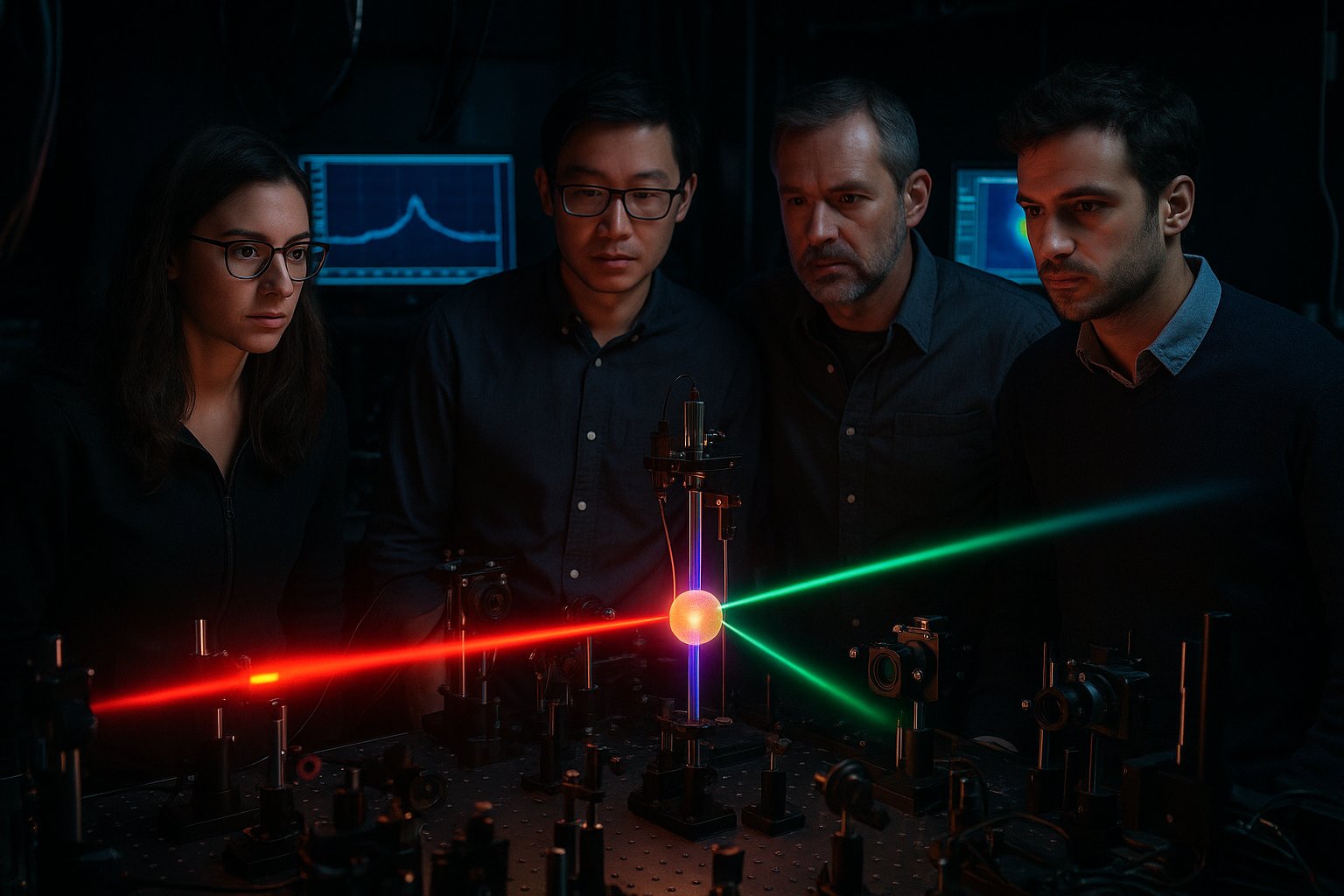
Nanoparticles in the Human Body—it sounds like a cutting-edge sci-fi plot, but this week, it’s front-page science. New international best-practice guidance co-written at Australia’s ANSTO details how researchers should track and measure where nanoparticles (think: the titanium dioxide in your sunscreen or the zinc oxide in your toothpaste) go in the body, and how long they stay. Why does this matter, and how can students and early-career researchers get in on this nano-revolution? Let’s break it down, with a little help from your friendly Seamless AI toolkit.
Why Are Nanoparticles in the Spotlight Now?
From medicine to food packaging, nanoparticles are everywhere. Their tiny size (think: one billionth of a meter!) gives them superpowers, but also raises big questions. When we ingest, inhale, or absorb nanoparticles, where do they go? How long do they hang out in organs? Do they accumulate, transform, or exit gracefully stage left?
The new international guidelines—recently summarized on Phys.org—are a game-changer for toxicology, pharmacology, and materials science. They spell out standardized approaches for tracing nanoparticles in the human body, from advanced imaging to chemical labeling. That’s a big deal for safety, regulation, and innovation.
Hot Research Topics (and Why They Matter to You)
You don’t have to be a seasoned PI to jump into the world of nano. In fact, the field needs more curious minds—especially as nanoparticles get woven into everything from targeted cancer therapies to eco-friendly sunscreens. Here are just a few research avenues students and early-career researchers can tackle:
- Tracking nanoparticle distribution in living tissues (with new, standardized methods!)
- Evaluating the long-term health impacts of common nanoparticles
- Developing safer-by-design nanomaterials for medicine or industry
- Exploring how nanoparticles interact with specific cell types (immune, neural, etc.)
- Assessing environmental fate—how nanoparticles cycle from products to wastewater or soil
Each of these questions sits at the intersection of biology, chemistry, engineering, and health—prime interdisciplinary territory for scholarships and grant proposals.
From Literature Review to Research Grant: Your Seamless Nano Toolkit
Ready to dive in? Here’s how to turn curiosity into concrete action (and maybe snag some funding along the way):
1. Map the Nano Knowledge Landscape
Start by scanning the latest literature on nanoparticles in the body. With Seamless’s AI Literature Review, you can instantly pull up key papers and see where knowledge gaps exist—crucial for identifying a juicy research question.
2. Find Your Funding
Whether you’re a high-schooler dreaming up a science fair project or a grad student eyeing your first big experiment, funding is real. Seamless’s Scholarship Search matches you to STEM scholarships, including many open to early-career researchers working on cutting-edge topics like nanotoxicology. Or, jump ahead to the Research Grants tool for current calls, including those tied to health, materials, and environmental safety.
3. Nail Your Application and Pitch
Applications can be intimidating (so many forms, so little time). Let Seamless’s Essay Helper polish your scholarship or grant essays. Need to keep your requirements and deadlines straight? The Application Helper is your new favorite organizational hack for wrangling all those forms and reminders.
Communicate Your Nano Story (and Get Noticed)
Research is more than Petri dishes and particle counters—it’s also about sharing your findings. The new guidelines are a hot topic, and you can help translate complex science for your peers (or even your grandma!) with Seamless’s creative tools:
- AI Podcast Generator: Turn your literature review into a podcast, perfect for class presentations or online science communication. Bonus: Multilingual narration for global reach!
- Video Podcast: Make your research visually engaging with a lip-synced AI video that walks viewers through your discoveries.
Whether you’re summarizing the new guidelines or pitching your own breakthrough, these tools help you stand out in scholarship applications, conference submissions, and on social media.
Nano Research: The Future is (Tiny and) Bright
With the release of new international guidance on tracking nanoparticles in the body, there’s never been a better time to get involved in this fast-moving field. Whether you’re aiming to contribute to safer nanomedicines, green chemistry, or public health, you’ll find a welcoming community—and plenty of support—to help you shine.
Ready to start your own nano journey? Scan the latest reviews, find nano-themed scholarships, or turn your research into a podcast today with Seamless. The future of science is small—and it needs big thinkers like you.
Want more on nanoparticles, biomaterials, and emerging science? Check out the original news coverage or explore Seamless’s tools to take your ideas further!