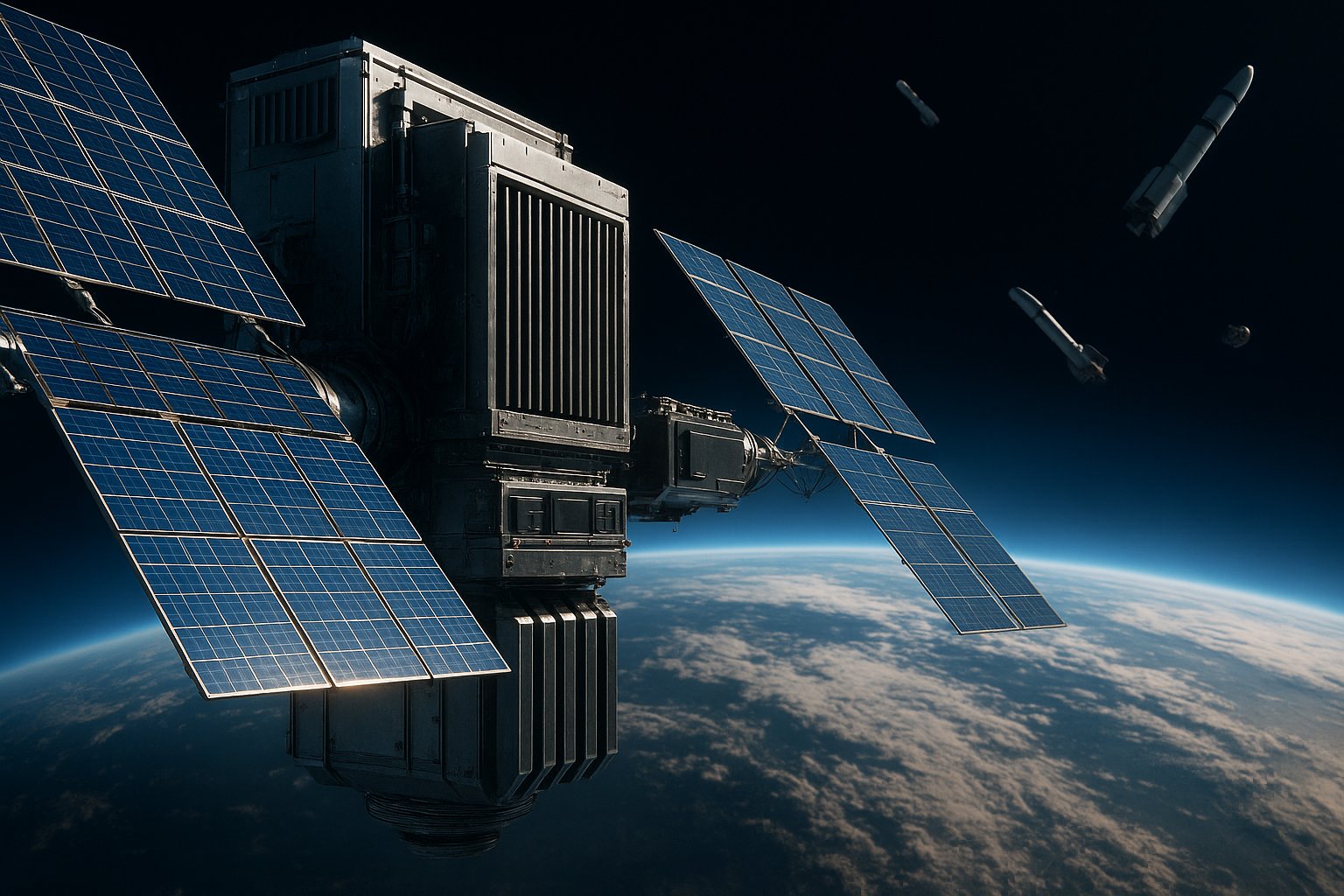
AI’s environmental footprint is under a cosmic microscope this week, as SpaceX and other tech giants float plans (literally) to launch massive AI data centers into orbit. The hope: offload Earth’s burden by shuttling energy-hungry computation to the stars. But is this high-flying solution a real fix—or just out-of-this-world greenwashing? Let’s break down what you need to know, the science behind the headlines, and how you can find funding to be part of the next generation of sustainability researchers.
AI Data Centers in Space: What’s Actually Happening?
If you’ve ever used ChatGPT, asked your phone to interpret a meme, or generated a custom cat video, you’ve tapped into the enormous power (and power consumption) of artificial intelligence. Today’s AI models are trained on supercomputers that guzzle megawatts of electricity and churn out more CO2 than some entire countries. Enter this week’s bold headline: Elon Musk’s SpaceX has applied to launch over a million AI data center satellites—with the aim of ultimately building and running giant server farms in orbit. (Source: Phys.org)
In theory, space-based data centers could tap into endless solar energy, operate in frigid temperatures (great for cooling), and leave a smaller carbon footprint on Earth itself. But, as always, there’s no such thing as a free launch.
The Real Costs: Rockets, E-waste, and Cosmic Complications
Launching hardware into orbit isn’t exactly emissions-free. Rockets burn through thousands of tons of fuel per launch, releasing greenhouse gases and creating upper-atmosphere pollution that lingers far longer than car exhaust. And what about when your satellite server inevitably fails? Space debris is already a growing problem—will we someday have a digital landfill circling the planet?
- Rocket launches emit massive amounts of CO2 and black carbon, with some estimates putting a single launch’s footprint on par with a small city’s daily output.
- Space-based solar power isn’t a magic bullet. Beaming energy back to Earth introduces efficiency losses and technical hurdles (think microwave lasers—but with less sci-fi style).
- End-of-life satellites need responsible de-orbiting, or they risk clogging low Earth orbit with space junk—hazardous for both future space missions and, yes, the International Space Station.
Sustainability in AI: The Questions Researchers Are Asking
It’s not all doom and gloom—as with most things in STEM, the real story lives in the nuance. Researchers are using literature reviews to dig into questions like:
- Can we make AI algorithms more energy efficient—on Earth and in orbit?
- How do different data center cooling methods compare environmentally?
- What policies or incentives can steer AI companies toward greener choices?
Curious where the knowledge gaps are? Seamless’s AI-powered Literature Review tool can help you scan recent studies, spot what’s missing, and even generate a gap analysis to sharpen your next research pitch.
How Students Can Get Involved—And Fund Their Research
Space-based AI is more than just an engineering challenge; it’s a multi-disciplinary science problem begging for creative solutions. Whether you’re into physics, environmental science, or computer engineering, there’s a place for you at the table (or, well, launch pad).
- Scholarship Search: Find scholarships for students tackling sustainability, AI, or space tech—matched to your background and interests.
- Research Grants: Use Seamless’s grant discovery tool to locate funding for green tech, energy efficiency, or novel data center designs.
- Essay Helper: Need to pitch your project for funding or applications? AI-powered essay coaching can help clarify your goals and polish your pitch.
From Literature Review to Impact: Share Your Findings with the World
Once you’ve scoped the science and secured your funding, don’t let your research gather (space) dust! Seamless lets you amplify your work with these tools:
- AI Podcast Generator: Turn your literature review into a narrated AI podcast—perfect for sharing complex ideas in plain language (and in multiple languages, for global reach).
- Video Podcast: Want to walk through your research visually? Seamless creates lip-synced video podcasts from your script, so you can present your findings like a pro.
Not sure which opportunity fits your project? The Application Helper organizes requirements and deadlines, so you never miss a launch window.
Lift-Off: Your Roadmap to AI Sustainability Research
The next decade will see explosive growth in both AI and space technologies—and their intersection could shape the future of climate and computing for generations. If you’re passionate about making tech greener (whether you dream of Mars bases or Earth-friendly code), now is the time to get involved.
Start with a literature review to map the current research landscape, use Scholarship Search and Research Grants to fund your work, and share your insights with the world via podcasts and videos. Let’s make sure the future of AI is as sustainable as it is smart.
Ready to launch your own journey into AI sustainability? Explore Seamless’s toolkit for science students and early-career researchers—and put your research on the map (or in orbit!).